In a strategic move to diversify its international partnerships, Malaysia is advancing its rare earth sector through new collaborative efforts with South Korea. Prime Minister Datuk Seri Anwar Ibrahim confirmed these developments in Parliament, emphasizing that the nation is not bound by exclusive trade arrangements with any single country. This initiative underscores Malaysia’s commitment to expanding its global economic footprint.
The announcement directly addresses recent criticisms regarding the Agreement on Reciprocal Trade signed with the United States last month. Detractors had voiced concerns that the deal might limit Malaysia’s export options, particularly for rare earth elements. Anwar firmly refuted these claims, clarifying that the government retains full autonomy in pursuing international cooperation.
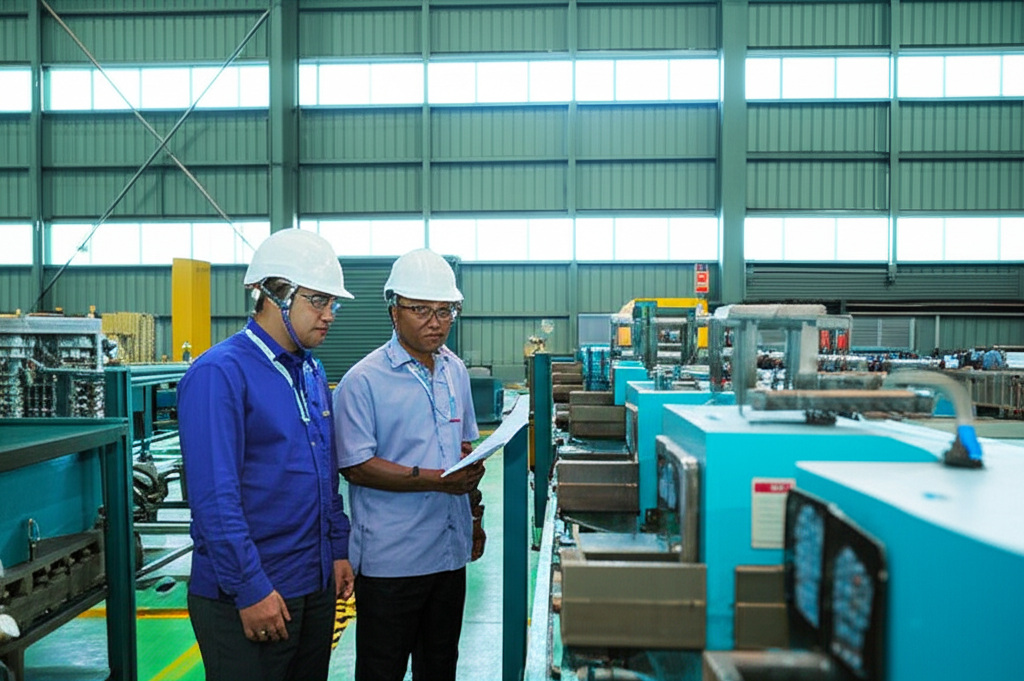
During Prime Minister’s Question Time, Anwar revealed that state-linked companies and Korean firms are set to establish a new rare earth super magnet facility in Pahang. He highlighted that this project was finalized just weeks after the US agreement, demonstrating Malaysia’s ability to engage multiple partners simultaneously. This development is part of a broader effort to enhance local production capabilities.
In addition to the Korean partnership, Malaysia is exploring opportunities with China. Anwar disclosed that he proposed joint rare earth ventures between Chinese investors and Khazanah Nasional Berhad during discussions with Premier Li Qiang. These ongoing negotiations reflect a proactive approach to securing valuable international alliances without restrictive conditions.
The combined efforts with South Korea and China illustrate Malaysia’s strategic positioning in the global rare earth market. By fostering diverse collaborations, the country aims to strengthen its economic resilience and technological advancement. Anwar’s statements affirm that Malaysia is pursuing an independent and multifaceted trade policy to maximize national benefits.